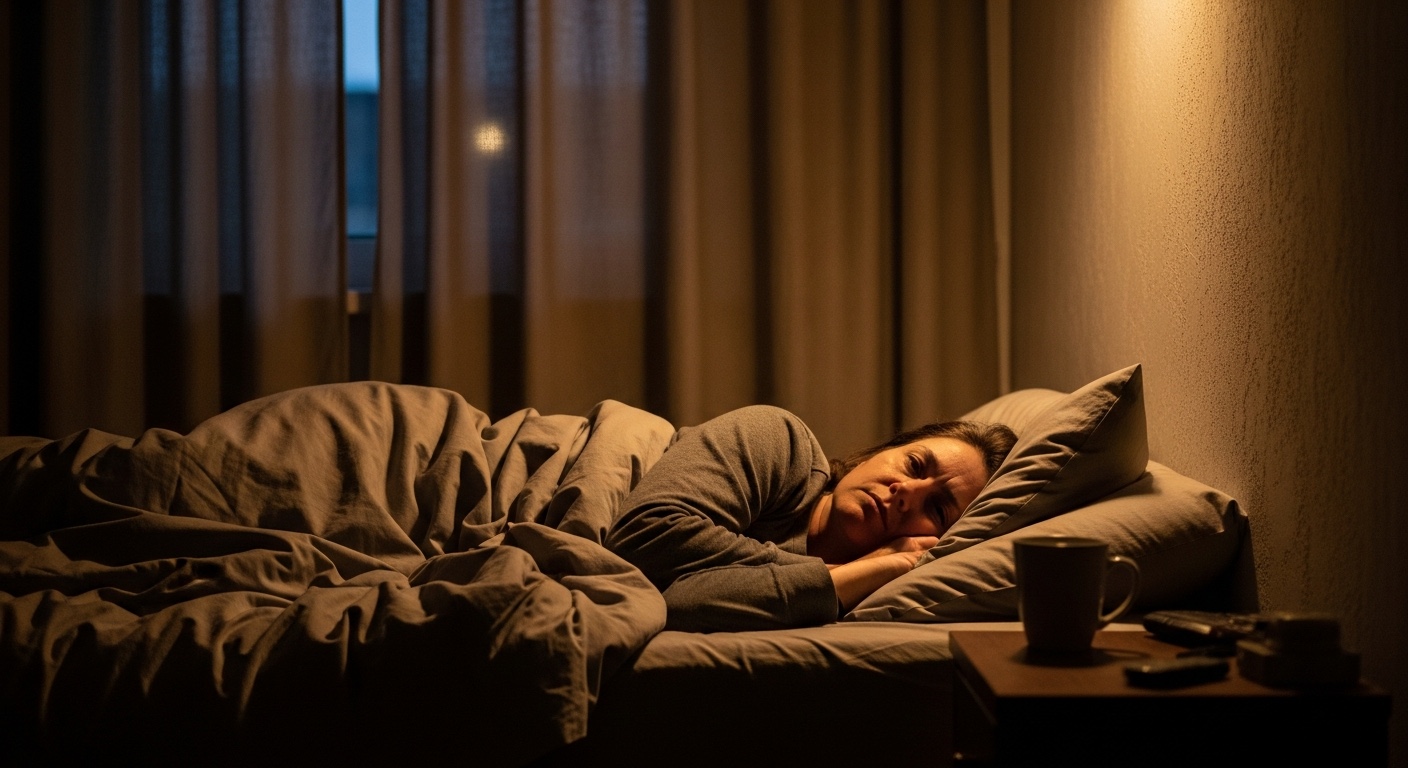
Neighbour noise tops the list of sounds Britons hate. In one 2026 UK survey, 57% of people ranked it first, and 61% said it disrupts their sleep. London has it worst, with 41% of residents kept awake by the people next door or upstairs. If you can’t sleep because of noisy neighbours, here is how to sleep with noisy neighbours tonight, plus a realistic route to fixing the problem for good.
Researched using complaint figures from the Chartered Institute of Environmental Health, the rules set out in the Noise Act 1996, and feedback from side sleepers who tested earplugs and masking sounds against real party-wall noise.
[/ux_text] [/col] [/row] [/section] [section id=”product-1″ padding=”24px 0px 24px 0px” padding__sm=”16px 0px 16px 0px” bg_color=”rgb(245, 248, 255)”] [row v_align=”middle” h_align=”center”] [col span=”4″ span__sm=”12″ force_first=”small” align=”center”] [ux_image id=”4651″ image_size=”original” link=”https://bollsen-hearingprotection.com/product/life/” target=”_blank”] [/col] [col span=”8″ span__sm=”12″] [ux_text font_size=”1.1″]BOLLSEN Life+ Earplugs for Sleeping & Snoring
★ Our Top Pick — Best for neighbour noise & side sleepers
BOLLSEN is a hearing protection specialist whose earplugs are independently tested and certified in Germany. The Life+ cuts noise by a certified 24 dB and its filter is tuned to the low frequencies neighbours produce, so muffled voices and TV bass fade while your morning alarm still comes through. The low-profile fit means side sleepers can wear it all night without it pressing into the ear.
[/ux_text] [block id=”2889″] [ux_text font_size=”1.02″]- Certified 24 dB noise reduction, independently tested by PZT GmbH in Germany
- Filters low-frequency sound, the type that travels through party walls
- Low-profile fit designed for side sleepers
- Washable and reusable up to 100 times, around 27p per night
- 40-day money-back guarantee
- Costs more upfront than disposable foam
- Needs washing every few days to last the full 100 uses
How to Sleep with Noisy Neighbours: The 7-Step Plan
Steps 1 to 4 are things you can do tonight without speaking to anyone. Steps 5 to 7 cover the longer game, from a friendly word next door to what the council will and will not do for you.
1. Work out which type of neighbour noise is keeping you awake
Neighbour noise splits into two types, and they need different fixes. Airborne noise comes from sound waves hitting your wall, like a television or raised voices. Impact noise comes from something striking the building itself, which is why noisy upstairs neighbours’ footsteps feel like they land inside your skull.
There is a reason you can hear so much through solid brick. High-frequency sound loses most of its energy passing through a wall, but low-frequency noise through walls is a different problem. Long sound waves make the wall itself vibrate, and a shared party wall ends up acting like a speaker cone playing your neighbour’s bass line. That is why their music reaches you as a dull thud rather than a song.
Spend two or three nights noting what wakes you and when. A pattern, say bass until midnight or footsteps at 6am, tells you which steps below matter most. Those notes also double as evidence if you ever need step 6.
2. Rearrange your bedroom to soften the shared wall
Most advice on how to block out noise from neighbours through walls jumps straight to acoustic panels. Save your money. Thin foam panels fix echo inside a recording room, not sound passing between two homes.
What does help is mass and distance. Pull your bed away from the party wall; even 30 centimetres makes a difference. A bookcase packed full of books against the shared wall adds real weight where it counts. Thick rugs and heavy curtains soak up the echo inside your own room, which makes whatever still gets through sound less harsh.
Be honest with yourself about the limits here. Furniture takes the edge off mid-range sound but does very little against deep bass or footsteps from above. If your main problem is impact noise from upstairs, go straight to steps 3 and 4.
3. Wear earplugs built for low-frequency noise, not basic foam
Earplugs are the one fix that works the same night you try it, but the type matters more than most people realise. Cheap foam plugs are tuned for high-frequency noise like machinery whine. Against a neighbour’s bass they perform at their worst, and they have a habit of working loose by 3am, especially if you sleep on your side.
The better option is a flat-filter silicone earplug such as the BOLLSEN Life+. Its 24 dB noise reduction is certified through independent testing in Germany rather than self-reported by the brand, and the filter is built to cut the low frequencies that cross a party wall. Smoke alarms and your morning alarm still get through, because those sit in the high range the filter lets pass.
With earplugs for noisy neighbours, fit decides everything. The Life+ uses a conical two-lamella shape in medical-grade silicone that sits flush in the ear, so there is nothing for the pillow to push against. One pair lasts up to 100 nights, which works out at around 27p a night.
[/ux_text] [/col] [/row] [/section] [section bg_color=”rgb(0, 36, 125)” padding=”24px 0px 24px 0px”] [row h_align=”center”] [col span__sm=”12″ align=”center”] [ux_text font_size=”1.05″]Tonight could be the first quiet night in months. Try the Life+ for 40 nights and send it back if it doesn’t work for you.
[/ux_text] [button text=”Try Risk-Free — 40-Day Guarantee” color=”secondary” style=”shade” size=”large” radius=”10″ link=”https://bollsen-hearingprotection.com/product/life/” target=”_blank”] [/col] [/row] [/section] [section padding=”30px 0px 10px 0px” padding__sm=”20px 0px 10px 0px”] [row h_align=”center”] [col span__sm=”12″] [ux_text font_size=”1.05″ line_height=”1.7″]4. Add a masking sound to cover what slips through
White noise for noisy neighbours is the most common advice online, and it half works. A steady background sound stops your brain flagging every thud as a threat, which is what actually wakes you. The catch is that standard white noise is heavy on high frequencies, so it masks hiss well and bass poorly.
Brown noise is a better match for neighbour problems. It concentrates its energy low down, in the same range as footsteps and muffled speech. A fan, a phone app or a dedicated machine all work. Set the volume just high enough to blur the noise, not so loud that it becomes its own disturbance. If you want to know how to block out neighbour noise at night without spending much, this pairing of filtered earplugs plus masking is it.
5. Talk to your neighbours before you involve anyone official
Awkward, yes. Effective, also yes. Most people genuinely have no idea how much sound crosses a wall, because they have never stood in your bedroom at midnight. A calm conversation, or a friendly note if you would rather not knock, resolves more noise disputes than any formal route.
Mention specifics rather than accusations. “Your speaker is against our bedroom wall, would you mind moving it?” gives them something they can act on. If talking gets you nowhere, many councils offer free mediation services, and landlords or housing associations will often step in on behalf of tenants.
6. Learn what the council can and cannot do about noise
Plenty of people reach this point asking the same thing: noisy neighbours at night, what can I do? Legally, the starting point is the Noise Act 1996, which defines night hours as 11pm to 7am. Councils can issue warning notices for excessive noise in that window. For formal action beyond that, the noise usually has to count as a statutory nuisance, meaning it substantially interferes with your use of your home.
Manage your expectations before you start. Everyday living noise (footsteps and ordinary conversation) does not qualify. Enforcement has also thinned out. UK environmental health teams logged around 305,000 noise complaints in a year according to CIEH figures, while abatement notices have fallen by 72%. A complaint is still worth making for persistent loud music or parties. Just keep your noise diary going, because evidence decides these cases.
7. Protect your own sleep while the problem gets sorted
Disputes take weeks to resolve, and your sleep cannot wait that long. Keep your wake-up time fixed even after a rough night, since a stable rhythm makes you harder to disturb. If you have been lying awake for more than 20 minutes, get up and read somewhere dim until you feel drowsy, then go back. Staying in bed fuming teaches your brain that bed means anger.
And be careful with the nightcap shortcut. Alcohol knocks you out faster but fragments the second half of the night, which is exactly when the 6am footsteps start. Earplugs in, masking on, same routine every night. Within a week or two the routine itself becomes the signal to sleep.
[/ux_text] [/col] [/row] [/section] [divider margin=”0px”] [section padding=”30px 0px 30px 0px” padding__sm=”20px 0px 20px 0px”] [row h_align=”center”] [col span__sm=”12″] [ux_text font_size=”1.05″ line_height=”1.7″]Frequently Asked Questions
What time is classed as a noise nuisance in the UK?
The Noise Act 1996 sets night hours as 11pm to 7am. Councils can issue warning notices for noise above permitted levels during this window. Noise at other times can still count as a statutory nuisance if it seriously affects your home life, so daytime disturbance is not automatically allowed.
Can I complain to the council about noisy neighbours?
Yes. Every UK council has an environmental health team that handles noise complaints. Keep a dated diary of incidents before you contact them, because they will ask for evidence. Some councils will install monitoring equipment or visit during night hours to witness the noise themselves.
Will the council actually do anything?
Sometimes, though less often than people hope. CIEH figures show around 305,000 noise complaints in a year, while abatement notices have dropped by 72%. Councils act on sustained, serious noise like regular parties or booming music. They will not act on ordinary living sounds such as footsteps or talking, which is why steps 1 to 4 of this guide matter so much.
Why can I hear my neighbours so clearly through the wall?
Low-frequency sound makes the wall itself vibrate, so a shared party wall re-broadcasts bass and deep voices into your room. High frequencies die in the brickwork, which is why you hear a muffled, thudding version of their life rather than clear words. It is also why thin foam panels do almost nothing.
Do earplugs block out neighbour noise and bass?
They reduce it substantially rather than deleting it. A certified 24 dB reduction turns intrusive bass into something your brain can ignore, especially when paired with a masking sound. Look for independently certified figures and a filter designed for low frequencies, because standard foam performs poorly in exactly the range neighbours occupy.
What are the best earplugs for neighbour noise?
Pick a pair that filters low frequencies with an independently certified rating, and make sure it stays comfortable when you sleep on your side. The BOLLSEN Life+ does both, backed by over 10,000 verified reviews, and the 40-day money-back guarantee means you can test it against your own neighbours before committing.
[/ux_text] [/col] [/row] [/section] [section bg_color=”rgb(245, 248, 255)” padding=”24px 0px 24px 0px” padding__sm=”16px 0px 16px 0px”] [row h_align=”center”] [col span__sm=”12″] [ux_text]