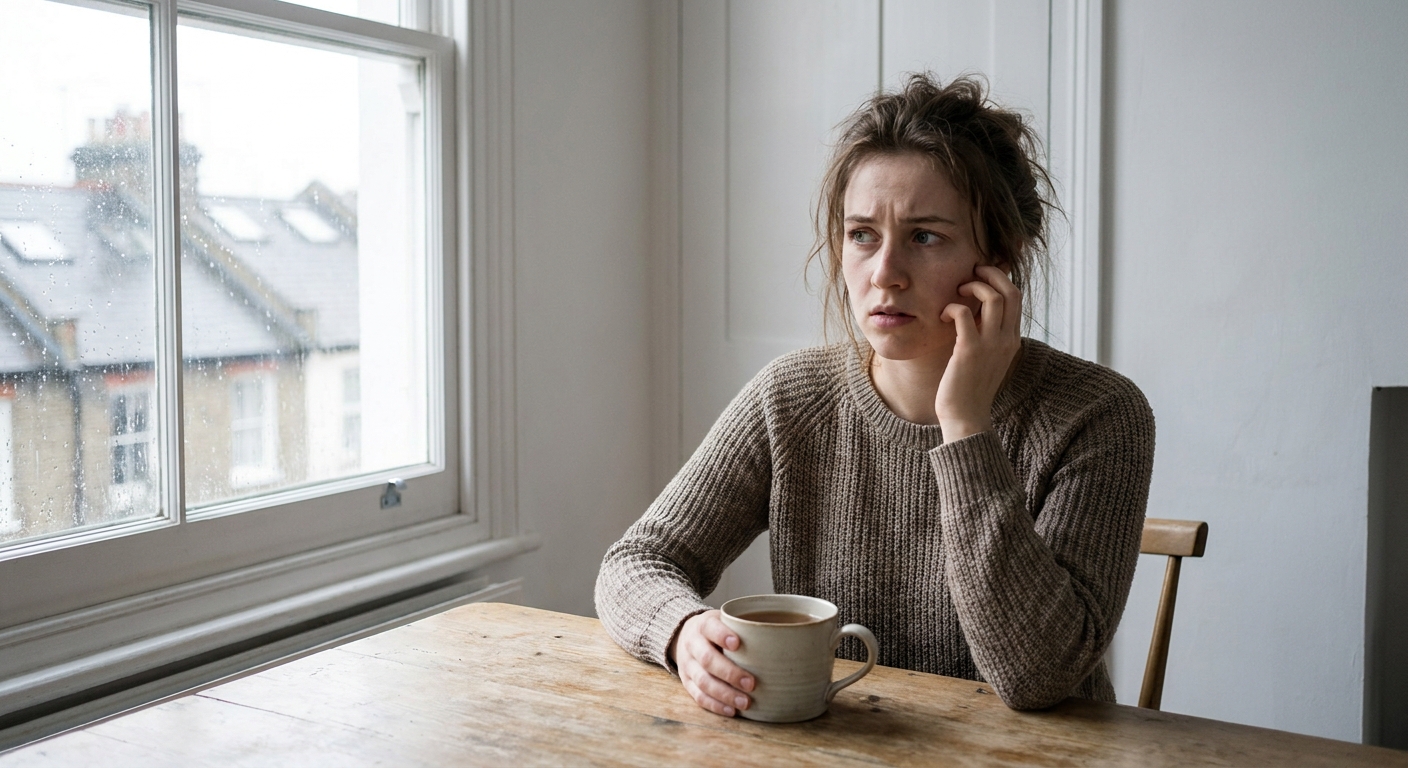
You woke up and your ears are still ringing after last night’s gig. That persistent hum or high-pitched whine is your auditory system telling you it took a knock. Loud music causes what audiologists call a temporary threshold shift: your hearing dulls, the ringing starts, and your ears try to recover. For most people it clears within 24 to 48 hours. “Temporary” doesn’t mean harmless, though. Each time it happens without protection, you’re chipping away at hearing you can’t get back. Here’s what to do this morning, and what to do differently before the next gig.
This guide is based on published audiology guidance on noise-induced hearing loss and temporary threshold shift, cross-referenced with sources including RNID, Healthline, and Cleveland Clinic.
[/ux_text] [/col] [/row] [/section] [section id=”product-1″ padding=”24px 0px 24px 0px” padding__sm=”16px 0px 16px 0px” bg_color=”rgb(245, 248, 255)”] [row v_align=”middle” h_align=”center”] [col span=”4″ span__sm=”12″ force_first=”small” align=”center”] [ux_image id=”4585″ image_size=”original” link=”https://bollsen-hearingprotection.com/product/music-soundpro/” target=”_blank”] [/col] [col span=”8″ span__sm=”12″] [ux_text font_size=”1.1″]BOLLSEN Music SoundPRO Earplugs
★ Our Top Pick — Best flat-filter earplugs for concerts
BOLLSEN is a hearing protection specialist whose products are independently tested and certified in Germany. The Music SoundPRO uses a flat-filter design that reduces sound evenly across all frequencies by 24 dB, so music still sounds like music, just at a volume that won’t leave you ringing the next morning. Backed by over 10,000 verified reviews and a 40-day money-back guarantee.
[/ux_text] [block id=”4537″] [ux_text font_size=”1.02″]- Certified 24 dB flat-filter noise reduction — no muffling or distortion
- Independently tested by PZT GmbH (NANDO-listed Notified Body No. 1974)
- Medical-grade silicone, reusable up to 100 times
- Trusted by DJ UMEK and over 1,000,000 people worldwide
- 40-day money-back guarantee
- Not a substitute for seeking medical advice if ringing persists beyond 48 hours
Step 1: Give Your Ears Quiet, Straight Away
The single most useful thing you can do costs nothing. Get away from noise. No headphones, no TV, no music in the background while you make breakfast. Your auditory hair cells are already under stress, and more sound slows recovery.
A few hours of genuine quiet is what you’re aiming for. If total silence isn’t possible, keep background sound low enough that you don’t need to raise your voice to have a conversation. That’s a workable rule of thumb that doesn’t need a decibel meter.
Step 2: Don’t Stick Anything in Your Ears
Cotton buds won’t help. Neither will rubbing, pressing, or trying to massage the ringing away. Your ears clean themselves. The ringing is a neurological response to acoustic stress, not something you can physically shift. Poking at irritated ear canals makes things worse, not better.
If your ears also feel blocked or muffled (common after a loud gig), that’s part of the same temporary threshold shift. It usually resolves on its own within 24 to 48 hours.
Step 3: Hydrate and Rest
There’s no proven clinical fix for ears ringing after a concert. What helps is giving your body what it needs to recover: water, sleep, and time away from loud environments.
Alcohol dehydrates and reduces blood flow to the inner ear. If you’re already nursing a headache, water first. Some people find magnesium supplements useful. There’s early-stage research suggesting they may shorten temporary threshold shift duration, but the evidence isn’t conclusive, and they’re no substitute for letting your ears rest.
Step 4: Know the Difference Between Temporary and Permanent
Tinnitus after a gig usually fades. Not always, though. Ringing in ears after loud music that lasts more than two to three days, particularly if your hearing feels noticeably reduced, is worth a conversation with your GP or an audiologist.
Noise-induced hearing damage builds up. Each concert without ear protection shifts your permanent threshold a little further. There’s no surgical fix for noise-induced hearing loss. Once those cells are gone, they’re gone.
If this is a one-off and the ringing clears by tomorrow, take it as a warning. One worth acting on.
Step 5: What Actually Happened in Your Ears Last Night
A typical concert or club night sits somewhere between 100 and 115 dB. Sustained damage to hearing begins above 85 dB. For context, the Health and Safety Executive sets the workplace daily exposure limit at 87 dB. You were likely above that for two or three hours straight.
Physically, what happens is this: extreme sound pressure causes the tiny hair cells (stereocilia) inside your cochlea to bend and temporarily stop responding properly. That’s temporary threshold shift. Your hearing dulls, the ringing starts, and your ears try to recover. If the exposure is severe enough, or happens repeatedly, those cells die. Dead stereocilia don’t regenerate.
The ringing you’re hearing right now is your cochlea reporting back from last night’s concert.
Step 6: Sort Out Protection Before the Next Gig
Foam earplugs from a pharmacy offer some protection, but they block sound indiscriminately. Bass becomes a dull thud. Vocals drop out. Most people pull them out after five minutes, which is exactly why ears ringing after festivals is such a common complaint.
Flat-filter earplugs work differently. They reduce all frequencies by the same amount, so the mix you hear is the same mix the engineer intended, just 24 dB quieter. The sound stays intact. That’s what makes them something people actually keep in all night.
The BOLLSEN Music SoundPRO is designed for exactly this. Its flat acoustic filter reduces all frequencies equally by 24 dB, certified by PZT GmbH in Germany. Medical-grade silicone sits comfortably through a full set. At £26.95 for a pair reusable up to 100 times, that’s about 27p per gig. Much cheaper than an audiology appointment.
DJ UMEK, whose career spans decades of live performances, trusts the same product. Hearing protection has become standard for serious music professionals. It should be standard for the rest of us too.
Step 7: When to See a Doctor
See your GP if:
- The ringing hasn’t cleared after two to three days
- Your hearing feels noticeably reduced and isn’t improving
- The tinnitus is one-sided, pulsing, or accompanied by dizziness
- You’re experiencing pain in the ear
If you already have tinnitus and last night’s gig made it worse, an audiology referral is worth pursuing. The RNID has a free hearing check tool at rnid.org.uk and can signpost you to local services.
[/ux_text] [/col] [/row] [/section] [section bg_color=”rgb(0, 36, 125)” padding=”24px 0px 24px 0px”] [row h_align=”center”] [col span__sm=”12″ align=”center”] [ux_text font_size=”1.05″]Ready to protect your hearing at the next gig? Try the earplugs designed to keep music sounding great.
[/ux_text] [button text=”Try Risk-Free — 40-Day Guarantee” color=”secondary” style=”shade” size=”large” radius=”10″ link=”https://bollsen-hearingprotection.com/product/music-soundpro/” target=”_blank”] [/col] [/row] [/section] [divider margin=”0px”] [section id=”product-2″ padding=”24px 0px 24px 0px” padding__sm=”16px 0px 16px 0px”] [row v_align=”middle” h_align=”center”] [col span=”3″ span__sm=”12″ force_first=”small” align=”center”] [ux_image id=”4586″ image_size=”original” link=”https://www.amazon.co.uk/s?k=alpine+musicSafe+earplugs” target=”_blank”] [/col] [col span=”9″ span__sm=”12″] [ux_text font_size=”1.05″]Alpine MusicSafe Pro
Budget flat-filter option
The Alpine MusicSafe Pro is a flat-filter earplug with interchangeable filter sets giving you different attenuation levels to choose from. It’s a fair starting point if you want to try flat-filter protection at a lower price. The fit isn’t as precise as the BOLLSEN, and the removable filters are fiddly for some people. Sound quality is reasonable at this price point.
- Multiple filter options for different attenuation levels
- Widely available on Amazon
- No independent German certification to the same standard
- Interchangeable filters can be lost easily
Eargasm High Fidelity Earplugs
Popular US import
Eargasm is a US brand aimed at concert-goers and musicians. The flat-filter does reduce sound reasonably evenly and the packaging looks good. For UK buyers, the sticking point is certification: the attenuation figures haven’t been independently verified by a NANDO-listed body to EU or UK standards. Workable for casual use, but not tested to the same level as BOLLSEN.
- Comes with carrying case
- Two sizes included in pack
- No EU/UK certification from a NANDO-listed Notified Body
- US-market brand; less post-purchase support in the UK
Frequently Asked Questions
How long does ringing in ears last after a concert?
For most people, ears ringing after a concert settles within 16 to 48 hours. If it’s still going after two to three days, or if you’ve noticed a drop in hearing that isn’t improving, see your GP. Prolonged tinnitus following noise exposure can point to more significant cochlear damage.
Is it normal for ears to ring after a concert?
Common, yes. Harmless, no. Ears ringing after loud music means your hearing system was pushed past a safe threshold. It’s a symptom. Each time it happens without protection, you’re adding to the cumulative risk of noise-induced hearing loss.
Will my tinnitus go away after a gig?
Usually, yes, particularly if this is a first or occasional experience. Quiet, rest, and time are the main things. Stay away from further noise exposure for at least 24 hours. If you’re finding this happens regularly after loud environments, it’s worth speaking to a hearing professional.
Can one concert cause permanent hearing loss?
It can, though a single event is more likely to cause temporary threshold shift than permanent damage. Very loud exposure above 120 dB, sustained, as you’d get standing next to speaker stacks, carries a higher risk of lasting harm from a single night. Most permanent loss is the result of repeated exposure over time without protection.
Do earplugs ruin the sound at concerts?
Foam earplugs do. Flat-filter earplugs don’t. A flat-filter earplug like the BOLLSEN Music SoundPRO cuts all frequencies equally, so the tonal balance of the music stays the same, just at a lower volume. A lot of regular concert-goers actually say the sound feels cleaner with them in, because the discomfort from excessive volume is gone.
What type of earplugs are best for concerts?
Flat-filter earplugs (also called high-fidelity or musician’s earplugs) are the ones to look for. They keep the sound quality of the music intact while bringing the volume down by a certified amount. Check that whatever you buy has been independently certified by a recognised testing body. Foam plugs are better than nothing, but the muffling makes them impractical for anyone who actually wants to hear the music.
When should I see a doctor about ear ringing after a concert?
Book in with your GP if the ringing hasn’t cleared after two to three days, if you’re getting one-sided or pulsing tinnitus, if your hearing feels worse and isn’t recovering, or if there’s any pain or dizziness alongside the ringing. Any of those could point to more significant damage, or an unrelated ear issue that needs a proper look.
[/ux_text] [/col] [/row] [/section] [section bg_color=”rgb(245, 248, 255)” padding=”24px 0px 24px 0px” padding__sm=”16px 0px 16px 0px”] [row h_align=”center”] [col span__sm=”12″] [ux_text]