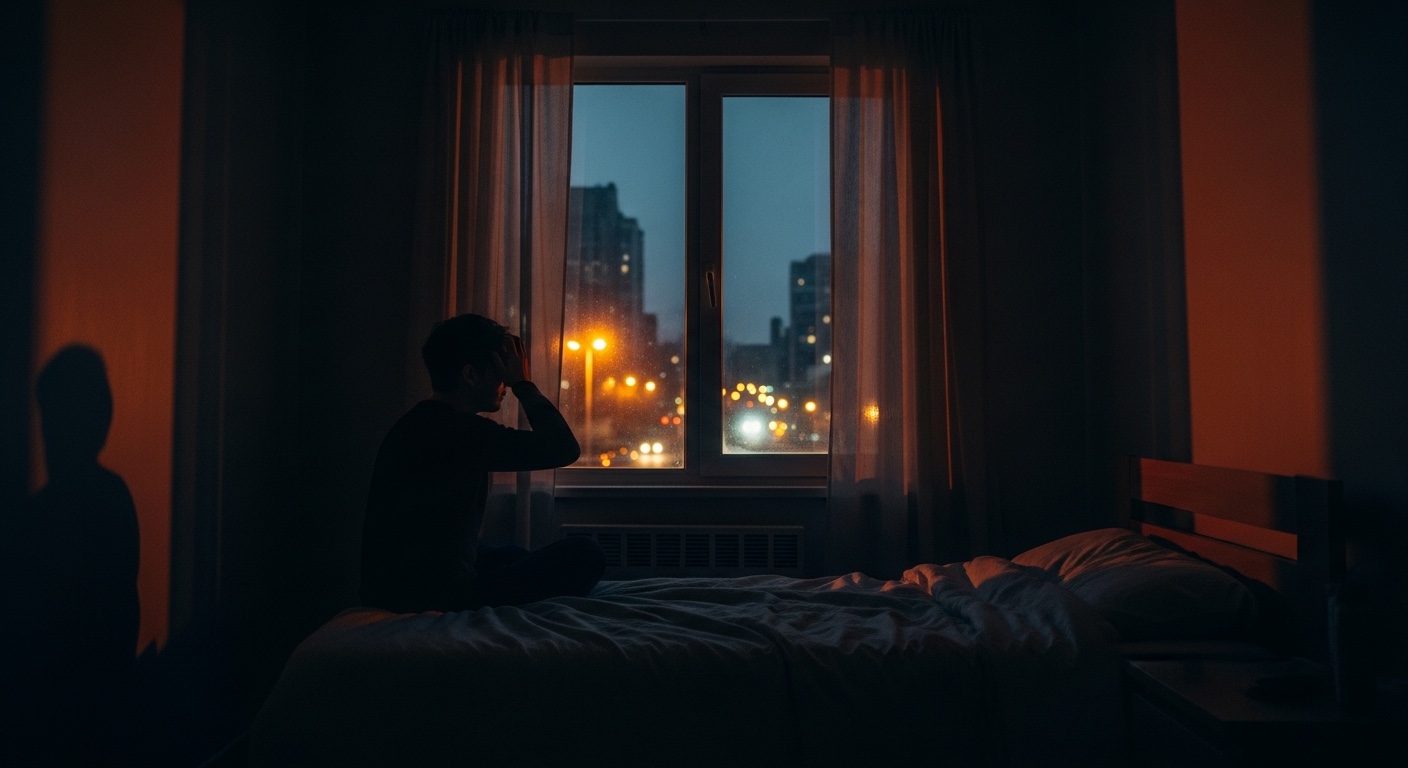
People living in the noisiest parts of England are around 1.5 times more likely to show signs of depression than those in quiet areas. That number comes from research on environmental noise. It is the kind of statistic that makes you stop and really listen to your own street. If you live near a busy road, a railway line, or under a flight path, the link between noise pollution and depression is not abstract at all. It is the lorry that wakes you at 4am. It is the low hum that never quite stops, and the morning you get up already worn out. This guide walks through what UK researchers have found, why sleep sits at the centre of it, and the practical steps you can take tonight without having to move house.
This guide draws on UK primary-care research, UKHSA reporting on transportation noise, and World Health Organisation noise guidance, alongside Bollsen’s certified product testing.
[/ux_text] [/col] [/row] [/section] [section id=”product-1″ padding=”24px 0px 24px 0px” padding__sm=”16px 0px 16px 0px” bg_color=”rgb(245, 248, 255)”] [row v_align=”middle” h_align=”center”] [col span=”4″ span__sm=”12″ force_first=”small” align=”center”] [ux_image id=”4634″ image_size=”original” link=”https://bollsen-hearingprotection.com/product/life/” target=”_blank”] [/col] [col span=”8″ span__sm=”12″] [ux_text font_size=”1.1″]Bollsen Life+ Earplugs for Sleeping
★ Our Top Pick — Best for blocking night-time noise
Bollsen is a hearing protection specialist whose products are independently tested and certified in Germany. The Life+ is built for one job. It cuts the low-frequency noise that ruins sleep, like traffic rumble and a partner’s snoring, while still letting through the high sounds you need, such as your alarm and a smoke detector. The patented conical silicone sits flush in the ear, so side sleepers can lie on a pillow without anything digging in.
[/ux_text] [block id=”2889″] [ux_text font_size=”1.02″]- Certified 24 dB noise reduction, tested in Germany across 1,700+ trials
- Low-profile fit designed for side sleepers, no poking on the pillow
- Medical-grade silicone, reusable up to 100 times and washable
- Lets alarms and smoke detectors through while blocking traffic and snoring
- Backed by a 40-day money-back guarantee
- Takes a night or two to get used to if you have never worn earplugs to sleep
1. Understand how noise pollution and depression are actually connected
The connection is not that loud noise makes you sad on the spot. It works through the body, slowly. UK research using routinely collected primary-care data found that people in higher-noise areas were more likely to be recorded with depression, and similar findings turn up across Europe. The mechanism most researchers point to comes down to stress and sleep. Constant noise keeps your nervous system on a low simmer and raises stress hormones. It also stops your sleep from going deep enough to actually restore you.
So when people ask whether noise pollution can cause depression, the honest answer is that it is a strong contributing factor rather than a single switch. Noise feeds poor sleep and chronic stress, and both are well-established drivers of low mood. That is useful, because it tells you where to aim. Protect your sleep and you take away one of the biggest holds noise has over your mental health.
2. Learn the decibel level where traffic noise starts to do harm
The World Health Organisation recommends keeping night-time road traffic noise below about 53 decibels, and UKHSA has mapped how much of England sits above the levels linked to health effects. Plenty of urban bedrooms sit well past that line, especially with a window cracked open in summer. A busy road heard from inside a house often lands somewhere between 50 and 60 decibels. That is enough to fragment your sleep even when you never fully wake up.
This matters for mental health because the damage happens below your awareness. You can sleep “through” traffic and still have your deep-sleep stages chopped up by it. Over weeks and months, that quiet erosion of sleep quality feeds the low mood, the short fuse, and the flat, drained feeling so many people living near busy roads describe.
3. Block the night-time noise at the source: your ears
You cannot turn down the motorway. So the most direct fix is to stop the noise reaching your ears while you sleep, and that is where good earplugs earn their place. The Bollsen Life+ is built for exactly this, filtering out the low rumble of traffic and snoring while leaving your alarm and smoke alarm audible. Because the silicone is shaped to sit flush, you can sleep on your side without it pressing into your ear. That pressing is the usual reason people give up on foam plugs.
Foam earplugs flatten and degrade. They work loose overnight and muffle everything without discrimination, including the sounds you actually want to hear. A certified flat-filter earplug gives you a consistent, measured reduction instead. With over 10,000 verified reviews and more than 1,000,000 users worldwide, the Life+ is a low-cost step you can take tonight, long before any decision about moving or fitting secondary glazing.
[/ux_text] [/col] [/row] [/section] [section bg_color=”rgb(0, 36, 125)” padding=”24px 0px 24px 0px”] [row h_align=”center”] [col span__sm=”12″ align=”center”] [ux_text font_size=”1.05″]Ready to give your sleep the protection it needs? German-tested, certified 24 dB, and risk-free for 40 days.
[/ux_text] [button text=”Try Risk-Free — 40-Day Guarantee” color=”secondary” style=”shade” size=”large” radius=”10″ link=”https://bollsen-hearingprotection.com/product/life/” target=”_blank”] [/col] [/row] [/section] [section padding=”30px 0px 10px 0px” padding__sm=”20px 0px 10px 0px”] [row h_align=”center”] [col span__sm=”12″] [ux_text font_size=”1.05″ line_height=”1.7″]4. Reduce noise getting into the room before it reaches the bed
Earplugs handle the noise at your ears, but it helps to cut what gets into the room too. Heavy curtains or thermal blinds absorb a surprising amount of street noise, and a draught excluder along the bottom of the door blocks a path sound loves to travel. If your bedroom faces the road, swapping to the quieter room at the back of the house, even just for a while, can change how the whole week feels.
None of these need a builder. They are the cheap, reversible moves you make first, while you weigh up whether something bigger like secondary glazing is worth it. Stacked together with earplugs, they push the noise reaching your sleeping brain well below the level that fragments it.
5. Protect your sleep routine so noise has less to work with
Noise does the most damage when your sleep is already fragile, so a steadier routine gives it less to disrupt. Keep your bed and wake times consistent, even at weekends. Your body then learns to drop into deep sleep faster, which makes it harder for a passing lorry to pull you back out. Cut screens and caffeine in the last couple of hours before bed for the same reason.
Think of it as building a buffer. A well-rested, regulated body shrugs off the odd disturbance that would wreck a sleep-deprived one. Combined with blocking the noise itself, a solid routine is what turns “I keep waking up exhausted” into nights that actually hold.
6. Know when noise-related low mood needs more than earplugs
Practical fixes will take you a long way, but they are not a substitute for proper support. If low mood, hopelessness, or constant exhaustion have lasted more than two weeks, or they are getting in the way of work and relationships, speak to your GP. Noise might be one piece of the picture, and a tool like the Life+ can lift the sleep burden. Depression is treatable, though, and you do not have to sort it on your own.
This guide is about the things you can actually do. Block the noise at your ears, quieten the room, hold a steady routine, and get help when the mood side needs more than that. None of it is dramatic on its own. Stacked up, it wins back the ground noise has been quietly taking from you.
[/ux_text] [/col] [/row] [/section] [divider margin=”0px”] [section padding=”30px 0px 30px 0px” padding__sm=”20px 0px 20px 0px”] [row h_align=”center”] [col span__sm=”12″] [ux_text font_size=”1.05″ line_height=”1.7″]Frequently Asked Questions
Can noise pollution cause depression?
Noise pollution is best understood as a contributing factor rather than a direct cause. UK primary-care research links higher-noise areas with greater rates of depression, mainly because chronic noise raises stress and disrupts sleep, and both of those are known drivers of low mood. Reducing your night-time noise exposure removes one of the pressures feeding it.
How does noise pollution affect mental health?
It works through two routes. Constant noise keeps your stress response switched on, raising hormones like cortisol, and it fragments your sleep even when you do not fully wake. Over time, poor sleep and chronic stress wear down mood, focus, and energy, which is why people living near busy roads often feel drained and irritable.
Why does living near a busy road affect mood?
Traffic noise indoors often sits between 50 and 60 decibels, above the level the World Health Organisation recommends for night-time. That is enough to break up your deep-sleep stages without fully waking you, so you wake unrefreshed night after night. That steady sleep debt is what shows up as low mood and short temper.
At what decibel level does traffic noise become harmful?
The World Health Organisation recommends keeping night-time road traffic noise below roughly 53 decibels, and UKHSA uses similar thresholds when mapping health impacts in England. Many urban bedrooms sit above this, particularly with a window open, which is why blocking noise at the ear is such a practical fix.
Do earplugs help with noise pollution and sleep?
Yes. Good earplugs cut the noise reaching your ears so your sleep can run its full cycles undisturbed. The Bollsen Life+ filters out low-frequency traffic rumble and snoring while still letting your alarm through, and its low-profile fit means side sleepers can wear it comfortably all night.
What can I do about traffic noise if I cannot move house?
Start with the cheap, reversible steps. Wear certified earplugs at night, hang heavy curtains, fit a draught excluder on the bedroom door, and if you can, sleep in the quieter room at the back of the house. Keeping a steady sleep routine on top of this makes your sleep more resistant to the disturbances you cannot remove.
[/ux_text] [/col] [/row] [/section] [section bg_color=”rgb(245, 248, 255)” padding=”24px 0px 24px 0px” padding__sm=”16px 0px 16px 0px”] [row h_align=”center”] [col span__sm=”12″] [ux_text]